

 Joseph Fernandes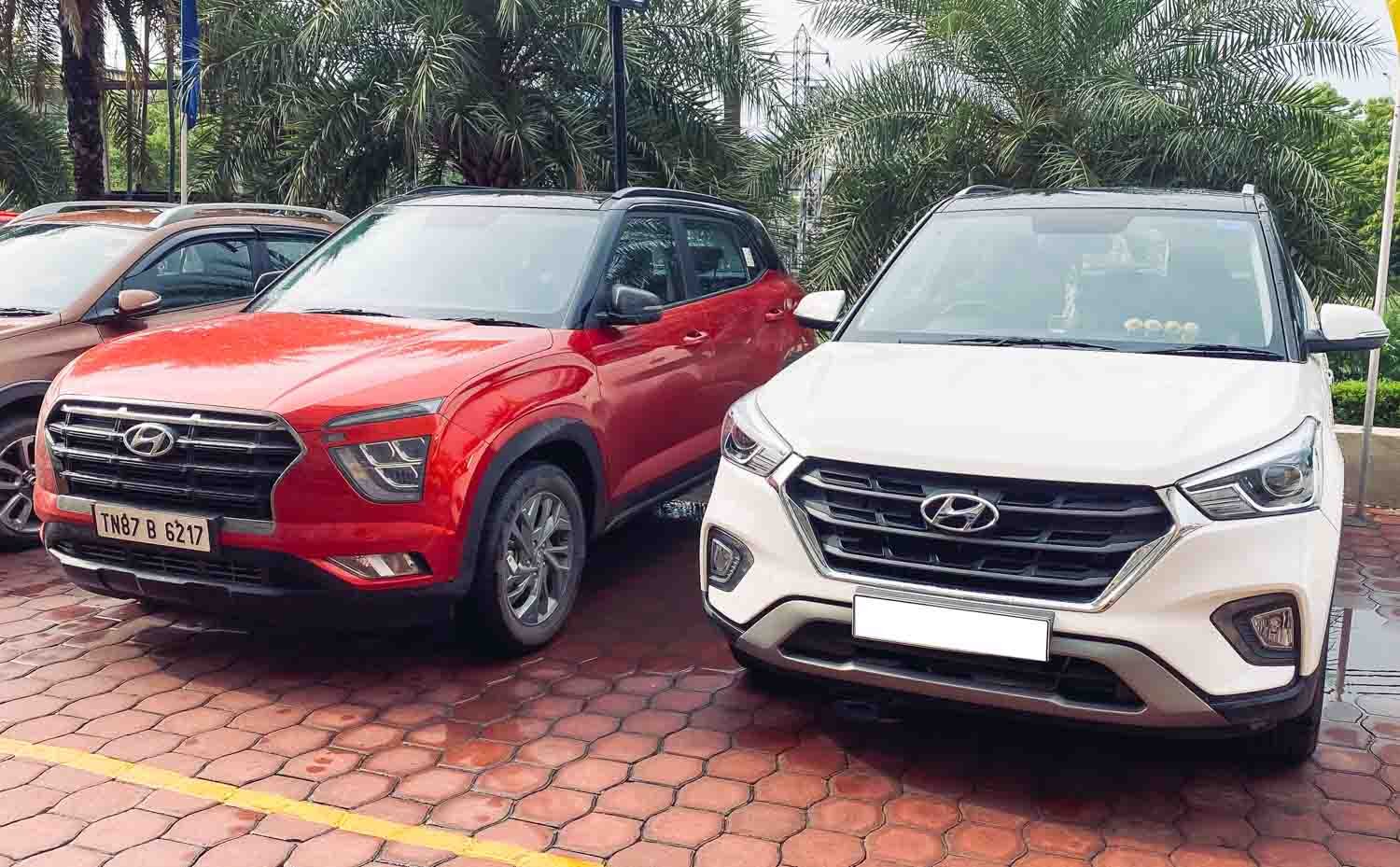
The Rise of Hyundai Creta
Launched in July 2015, the Hyundai Creta quickly established itself as a dominant player in the compact SUV segment in India. Over the years, it has managed to maintain its stronghold as the best Compact SUV despite fierce competition from various manufacturers. The Creta’s success can be attributed to a combination of factors including its design, features, performance, and Hyundai’s strategic positioning.
Additionally, it’s first mover advantage to the Compact SUV segment, lends it immense brand value and trust among customers. So much so, that the segment is now colloquially referred to as “The Creta Segment”. The only car that was even close to competing with the Creta at the time of it’s launch was the Renault Duster, which the Creta bettered overwhelmingly in all aspects.
Key Features and Specifications
One of the critical aspects that contributed to Creta’s success is its well-rounded package. Here’s a breakdown of some of the key features and engine specifications that made the Creta a standout:
- Engine Options: The Hyundai Creta has been offered with multiple engine options, catering to a wide audience. The current generation offers:
| Displacement | Power | Torque |
| 1.5L NA Petrol | 115 | 144 |
| 1.5L Turbo Petrol | 158 | 253 |
| 1.5L Diesel | 115 | 250 |
*above figures are for the automatic variants of the car.
- Transmission Options: The Creta offers a variety of transmission options, including a 6-speed manual, CVT, and a 7-speed DCT (Dual-Clutch Transmission) with the turbo-petrol variant.
- Design and Comfort: The Creta’s design has always been one of its strongest points. Its bold and stylish exterior, coupled with a premium interior, has attracted many buyers. Features like a panoramic sunroof, ventilated seats, and a large 10.25-inch touchscreen infotainment system have added to its appeal.
- Safety: Hyundai has equipped the Creta with several safety features, including six airbags, ABS with EBD, Electronic Stability Control (ESC), and Hill Start Assist, ensuring a safe driving experience.
Creta’s Dominance in the SUV Segment: Sales Figures and Performance
Since its launch, the Hyundai Creta has consistently been among the best-selling SUVs in India. As of 2024, Hyundai has sold over 850,000 units of the Creta in India alone. Here’s a look at the yearly sales figures since its launch:
| Year | Units Sold (approx.) |
| 2015 | 64,000 |
| 2016 | 92,000 |
| 2017 | 1,05,000 |
| 2018 | 1,20,000 |
| 2019 | 99,000 |
| 2020 | 96,000 |
| 2021 | 1,18,000 |
| 2022 | 1,40,000 |
| 2023 | 1,50,000 |
The consistent sales growth highlights the Creta’s strong market position and the brand’s ability to evolve with changing customer preferences.
Competition in the Segment: Rivals and Their Performance
Since its launch, the Hyundai Creta has faced competition from various players in the compact SUV segment. Some of the most notable competitors include:
- Kia Seltos: Launched in 2019, the Kia Seltos quickly became one of the Creta’s closest competitors. With similar engine options, features, and price points, the Seltos managed to carve out a significant market share. However, the Creta maintained its lead due to Hyundai’s brand reputation, Extraordinary Resale Value and extensive service network.
- MG Astor: The MG Astor, despite its tech-savvy appeal and competitive pricing, faced challenges in gaining market traction against the Hyundai Creta. A large part of it has to do with lack of rear space, less practical features in comparison to the Creta, and underpowered engines which fail to provide great fuel economy either. Its limited dealership network and lower brand recognition in comparison to Hyundai posed significant hurdles. Moreover, concerns over MG’s long-term reliability and service network in India made potential buyers hesitant.
- Honda Elevate: The Elevate struggled in the market largely due to its late entry and lack of exciting features. Additionally, there is significant cost-cutting undertaken by Honda by cutting out features like Ventilated Seats & Panoramic Sunroof, but it is designed so Elevate could undercut the Creta. However, with its conservative design and a singular Naturally Aspirated Engine, it still failed to attract massive numbers. Having said that, for people who swear by Honda’s reliability would like the spacious cabin, big boot and ADAS, that too at an attractive price.
- Nissan Kicks: Launched in 2019, the Nissan Kicks was positioned as a direct competitor to the Creta. However, it struggled to gain traction due to limited brand visibility and an outdated engine lineup.
- Volkswagen Taigun and Skoda Kushaq: Both the Volkswagen Taigun and Skoda Kushaq entered the market in 2021 as premium German alternatives to the Creta. With solid build quality, turbocharged petrol engines, and sophisticated driving dynamics, these SUVs aimed at a more discerning audience. However, their higher price tags, limited service network, history of expensive spares, and limited features compared to the Creta made them less popular among mass-market buyers.
- Maruti Suzuki Grand Vitara and Toyota Urban Cruiser Hyryder: Launched in 2022, the Grand Vitara and the Toyota Urban Cruiser Hyryder brought hybrid technology to the compact SUV segment. Despite their advanced technology including Ventilated Seats, 360 Camera etc. and terrific fuel efficiency, they faced challenges in matching the Creta’s comprehensive feature list and Hyundai’s established brand trust. While the Grand Vitara still sells a lot, and used to be regularly close to the Creta in terms of sales, since Creta’s facelift, this gap has widened once again.
Why Some SUVs Failed to Compete
Several factors contributed to the failure of some SUVs to effectively compete with the Hyundai Creta:
- Brand Value and Trust: Hyundai’s strong brand image and extensive service network provided a significant advantage over newer or less established brands like MG and Nissan.
- Product Strategy: Hyundai’s strategy of regularly updating the Creta with new features, variants, and technology helped it stay relevant. Competitors like the Nissan Kicks and Tata Harrier failed to offer timely updates or competitive pricing.
- Consumer Preferences: The Indian market favors feature-loaded, value-for-money vehicles. While SUVs like the Volkswagen Taigun, Skoda Kushaq, and Tata Harrier offered premium features, they were priced higher, limiting their appeal to the broader market.
- Market Timing: When the Creta was launched in 2015, it faced limited competition, allowing it to establish a strong foothold. By the time rivals like the Kia Seltos and Volkswagen Taigun entered the market, the Creta had already built a loyal customer base.
Our View
The Hyundai Creta’s success is a result of its comprehensive package, consistent updates, and Hyundai’s strategic market positioning. While competition has intensified with the entry of players like Kia, Volkswagen, Skoda, and Toyota, the Creta has managed to stay ahead due to its strong brand value, extensive feature list, and customer-centric approach.
As the SUV market continues to evolve, with new technologies and competitors entering the fray, Hyundai will need to continue innovating to maintain the Creta’s leadership position. However, given its track record and strong foundation, the Creta seems well-positioned to continue its success story in the coming years.
https://teamcardelight.com/?p=22481