

 Joseph Fernandes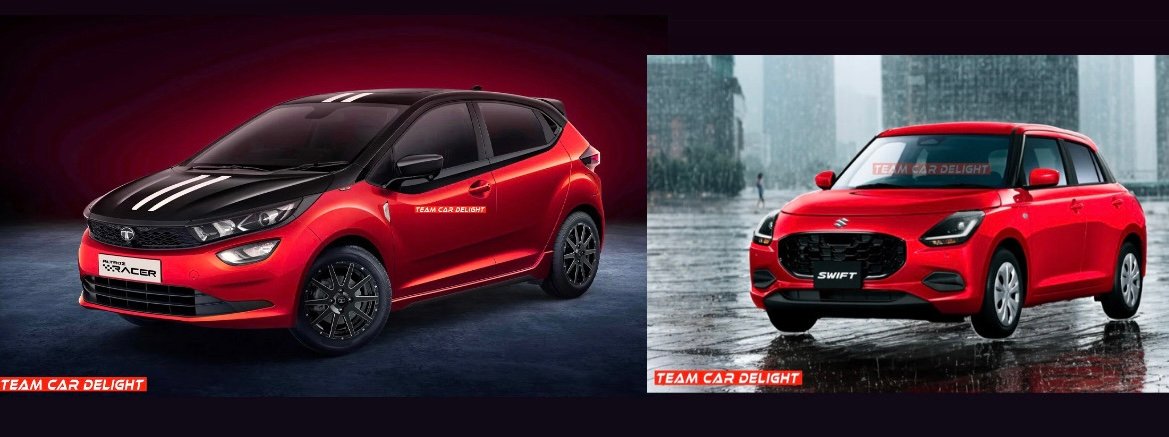
Hatchbacks have long been a staple of the Indian automotive market, beloved for their compact size, affordability, and practicality. Cars like the 800, Alto, i10 have characterised the market for a long time. However, recent years have seen a marked decline in their sales as consumers shift their preferences towards small SUVs.
Maruti Suzuki recently launched the fourth-generation version of its highly popular hatchback, the Swift – with prices starting at 6.5 Lakhs, and raised up hatchbacks/ mini SUVs are being priced similarly. That begs an important question: what does the future hold for hatchbacks?
The Rise of Small SUVs: A New Era in Indian Motoring
India has witnessed a significant shift towards small SUVs like the Tata Punch, Hyundai Exter, and Maruti Suzuki Fronx. These vehicles have gained immense popularity, thanks to their higher ground clearance, commanding driving position, and rugged appeal—all features that resonate with the aspirations of modern Indian consumers. When taking into account the conditions of India, uneven roads and varying terrains – these factors become integral in determining a purchase.
In addition, small SUVs offer a sense of adventure and versatility that traditional hatchbacks struggle to match. The market’s demand for vehicles that can handle both urban and semi-rural environments has fuelled the rise of these compact SUVs, which are increasingly seen as more than just a mode of transportation—they are lifestyle statements.
The price gap between well-equipped hatchbacks and entry-level SUVs has narrowed, making the latter more accessible to a wider audience. For many buyers, the added benefits of an SUV, including better road presence and perceived safety, outweigh the relatively small increase in cost.
Sales Comparison in the Last 5 Years
| Segment | 2018-19 | 2019-20 | 2020-21 | 2021-22 | 2022-23 |
| Entry-Level Hatchbacks | 3,69,483 | 3,03,942 | 2,74,019 | 2,40,240 | 2,52,409 |
| Premium Hatchbacks | 7,83,632 | 6,63,817 | 6,56,875 | 6,01,187 | 7,32,443 |
| Entry-Level SUVs | 3,77,219 | 3,59,664 | 4,45,447 | 6,64,216 | 8,70,302 |
| Premium SUVs | 34,711 | 25,561 | 22,437 | 28,679 | 42,309 |
Why Are Hatchbacks Failing in India?
Several factors have contributed to the decline of hatchback sales in India:
- Changing Consumer Preferences: Today’s buyers prioritize versatility, road presence, and a higher driving position, all of which small SUVs provide. Hatchbacks, with their compact and low-slung design, no longer meet these evolving expectations. Considering the state of the roads in India, ground clearance remains important to tackle them, and these small SUVs help them with that.
- Narrowing Price Gap: The cost difference between top-spec hatchbacks and entry-level SUVs has reduced, leading many consumers to opt for the latter. The additional features and perceived benefits of SUVs make them more attractive for only a slight increase in price. Additionally, the price increase of small cars, like the i20 and the Baleno whose top variants cost much above the 10 Lakhs bracket, don’t seem Value for Money anymore.
- Missed Global Opportunities: India never received the best versions of iconic hatchbacks like the Volkswagen Golf, Toyota Yaris, Skoda Fabia, and Hyundai i20 N. These models could have kept the hatchback segment alive by appealing to enthusiasts and those looking for a premium driving experience. The hatchbacks available in India have become synonymous with “cheap cars” due to a lot of cost-cutting involved, which hasn’t sat well with the consumers.
- Market Saturation: The hatchback segment has become crowded with many models offering similar features and performance, leading to consumer fatigue. Almost everyone has already owned and enjoyed the fun of hatchbacks. In contrast, small SUVs are seen as fresh and exciting, capturing the imagination of the market.
India’s Missed Opportunity: The Best Hatchbacks Never Came
One of the reasons for the declining interest in hatchbacks could be traced to the absence of world-class models in the Indian market. While hatchbacks like the Volkswagen Polo, Hyundai i20, and Maruti Suzuki Swift have enjoyed success, India has never received the best versions of global hatchback icons such as the Volkswagen Golf, Toyota Yaris, Skoda Fabia, and Hyundai i20 N. These models, known for their superior performance, advanced features, and premium build quality, could have kept the segment vibrant and appealing.
The lack of such high-quality options has left Indian consumers with fewer reasons to stick with hatchbacks, especially when more attractive alternatives in the form of small SUVs are available. Enthusiasts and premium buyers who might have preferred a sporty, well-built hatchback have instead gravitated towards more versatile and exciting offerings in other segments.
Premium Hatchbacks: Still Holding Their Ground
Despite the overall decline in hatchback sales, certain premium models continue to maintain their appeal. Cars like the Maruti Suzuki Baleno, Hyundai i20, and Tata Altroz have carved out a niche in the market by offering a blend of style, features, and value that still resonates with a segment of Indian buyers.
These premium hatchbacks are particularly popular among urban dwellers who appreciate their compact size for city driving, along with the advanced features and comfort they offer. Additionally, Maruti Suzuki’s commitment to the small car segment, with models like the WagonR, Swift, and Baleno, reflects an understanding of the enduring demand for affordable and reliable hatchbacks in certain market segments.
The Road Ahead: Can Hatchbacks Make a Comeback?
While the current trend favors small SUVs, the story of hatchbacks in India is far from over. To stage a successful comeback, the hatchback segment needs to focus on several key strategies that can reignite consumer interest and adapt to evolving market dynamics.
1. Innovate with Feature-Rich, Performance-Oriented Models
One way for hatchbacks to regain their foothold in the market is by introducing more feature-rich and performance-oriented models. By offering advanced technology, superior driving dynamics, and enhanced safety features, hatchbacks can appeal to a segment of buyers who prioritize these aspects but still prefer the compactness of a hatchback. This approach could particularly attract younger buyers and driving enthusiasts who appreciate a car that delivers both in terms of practicality and excitement.
2. Leverage the Rise of Electric Vehicles (EVs)
The growing interest in electric vehicles presents a unique opportunity for hatchbacks to make a comeback. Compact EV hatchbacks could become the ideal choice for urban commuters, offering a perfect blend of practicality, efficiency, and eco-friendliness. Automakers should consider developing affordable, long-range electric hatchbacks that cater to the needs of city dwellers, where smaller cars have a distinct advantage in terms of manoeuvrability and parking.
3. Introduce Global Hatchback Icons to India
Bringing in the latest global hatchback models or their advanced iterations to India could breathe new life into the segment. Vehicles like the Volkswagen Golf, Toyota Yaris, and Hyundai i20 N have a strong following globally and could appeal to Indian buyers looking for premium options in the compact segment. Offering these models with localized features and competitive pricing could attract a new wave of consumers who value quality and performance in a smaller package.
4. Focus on Affordability and Practicality
Affordability has always been a key selling point for hatchbacks. By focusing on keeping costs low without compromising on essential features, manufacturers can target budget-conscious buyers who need a reliable, fuel-efficient vehicle for daily commuting. Enhancing practicality with flexible interiors, larger boot space, and advanced infotainment options can also make hatchbacks a more attractive option for families and urban users.
5. Enhance Marketing and Brand Positioning
Revitalizing the hatchback segment also requires a strong marketing push that repositions these vehicles as modern, stylish, and capable. Highlighting the unique benefits of hatchbacks—such as their ease of parking, fuel efficiency, and suitability for city driving—can help shift public perception and remind consumers of what made hatchbacks popular in the first place. Collaborations with influencers, digital campaigns, and special editions could also generate buzz and reinvigorate interest in the segment.
Our View
The decline in hatchback sales in India is a reflection of shifting consumer preferences and market dynamics. However, with the right strategies and innovations, hatchbacks could see a revival, especially as the automotive landscape continues to evolve. Whether through the introduction of new models, advancements in technology, or a renewed focus on the unique advantages of hatchbacks, the future could still hold a place for these compact cars in the hearts of Indian consumers.
https://teamcardelight.com/?p=22668